
Bloom Hub / Marketing
How to market a wellness business without feeling salesy
By Jade · October 2026 · 9 min read
I get asked how to market a wellness business a lot, and my honest answer is that it’s slower than marketing a beauty business, and much more about trust. Someone might book a brow wax on a whim. Booking a first yoga class, a deep tissue massage or a reiki session asks more of them, because they’re letting you into something personal.
In this guide
- How to market a wellness business: start with who you help
- A calm website that makes booking easy
- Show up when people search locally
- Make the first step feel small
- How to promote yoga classes and treatments in your community
- Teach, don’t just promote
- Build an email list from day one
- Events, workshops and partnerships
- Reviews and word of mouth
- Be careful with health claims
- Keep the clients you’ve got
- Measure what’s working in your wellness business marketing
- Questions I get asked
Want a hand with this?
Book a free call and I’ll tell you exactly where I’d start with your business.
That changes what works. Flash sales and countdown timers tend to feel wrong here. What does work is being clear about who you help, being easy to find locally, being genuinely useful, and making the first step feel small. This applies to yoga and Pilates teachers, massage therapists, holistic therapists and most things in between.
How to market a wellness business: start with who you help
“Wellness for everyone” sounds lovely, but it’s almost impossible to market. The wellness businesses I’ve seen grow fastest can say who they’re for in one line. Things like:
- Gentle yoga for people over 50 in Harrogate.
- Sports massage for runners and cyclists.
- Pregnancy and postnatal massage.
- Reflexology for people who find it hard to switch off.
That doesn’t mean turning everyone else away. It means your website, posts and flyers speak to someone specific, so the right person reads them and thinks “that’s me”.
If you’re a massage therapist trying to work out how to market yourself, this is where I’d start. Look at the clients you most enjoy working with, the ones who rebook without being asked and the problems you’re best at helping with, then build everything else around them.
A calm website that makes booking easy
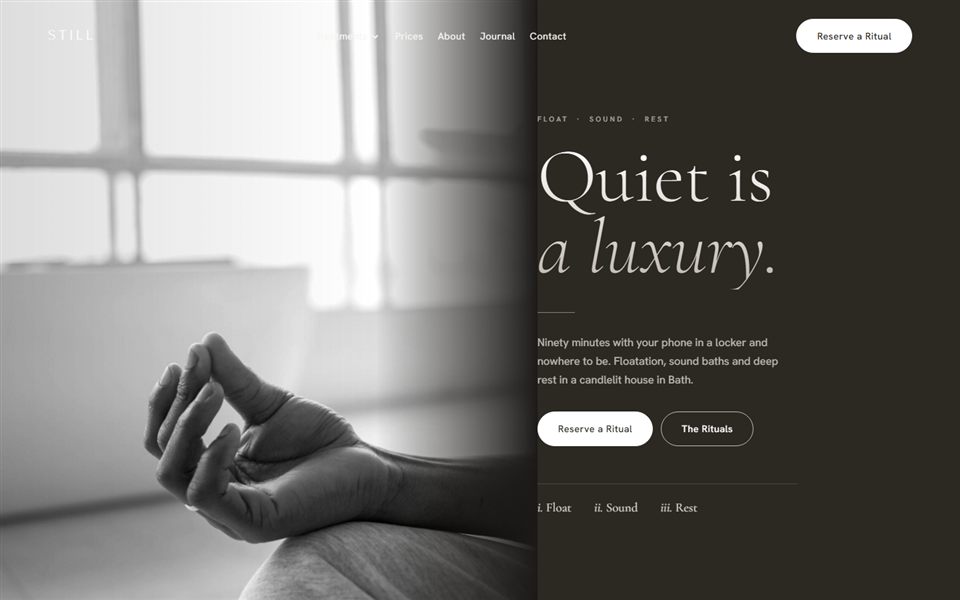
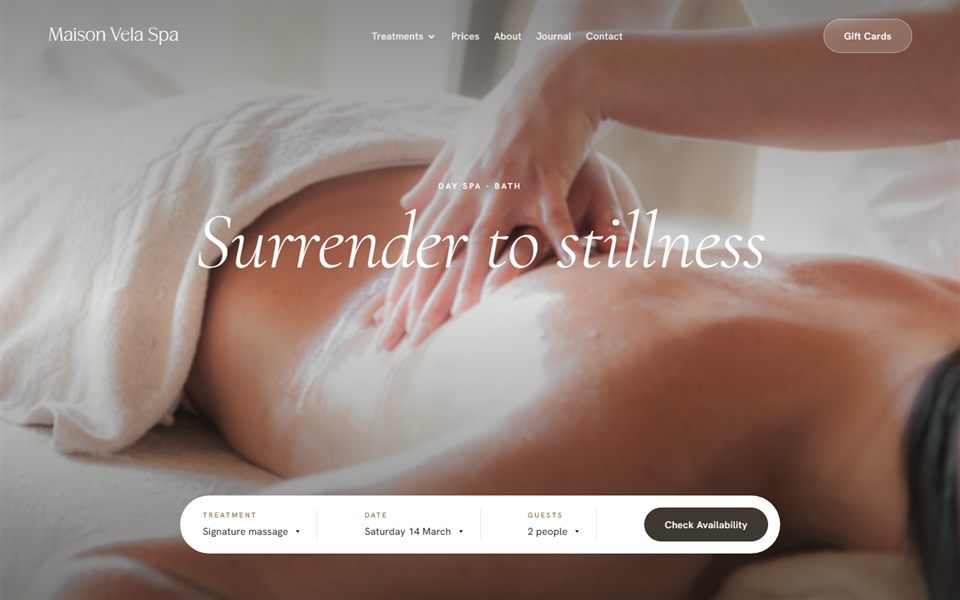
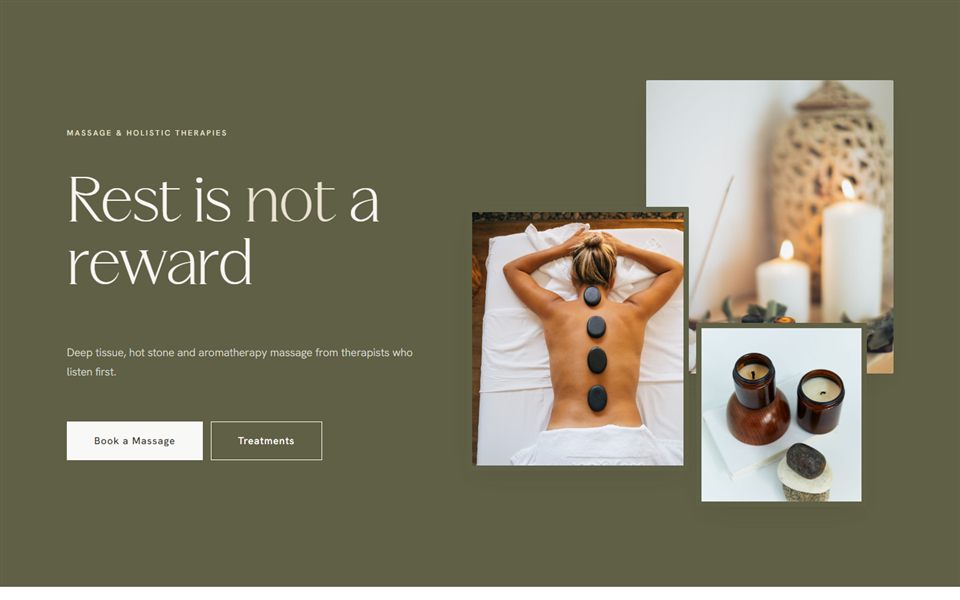
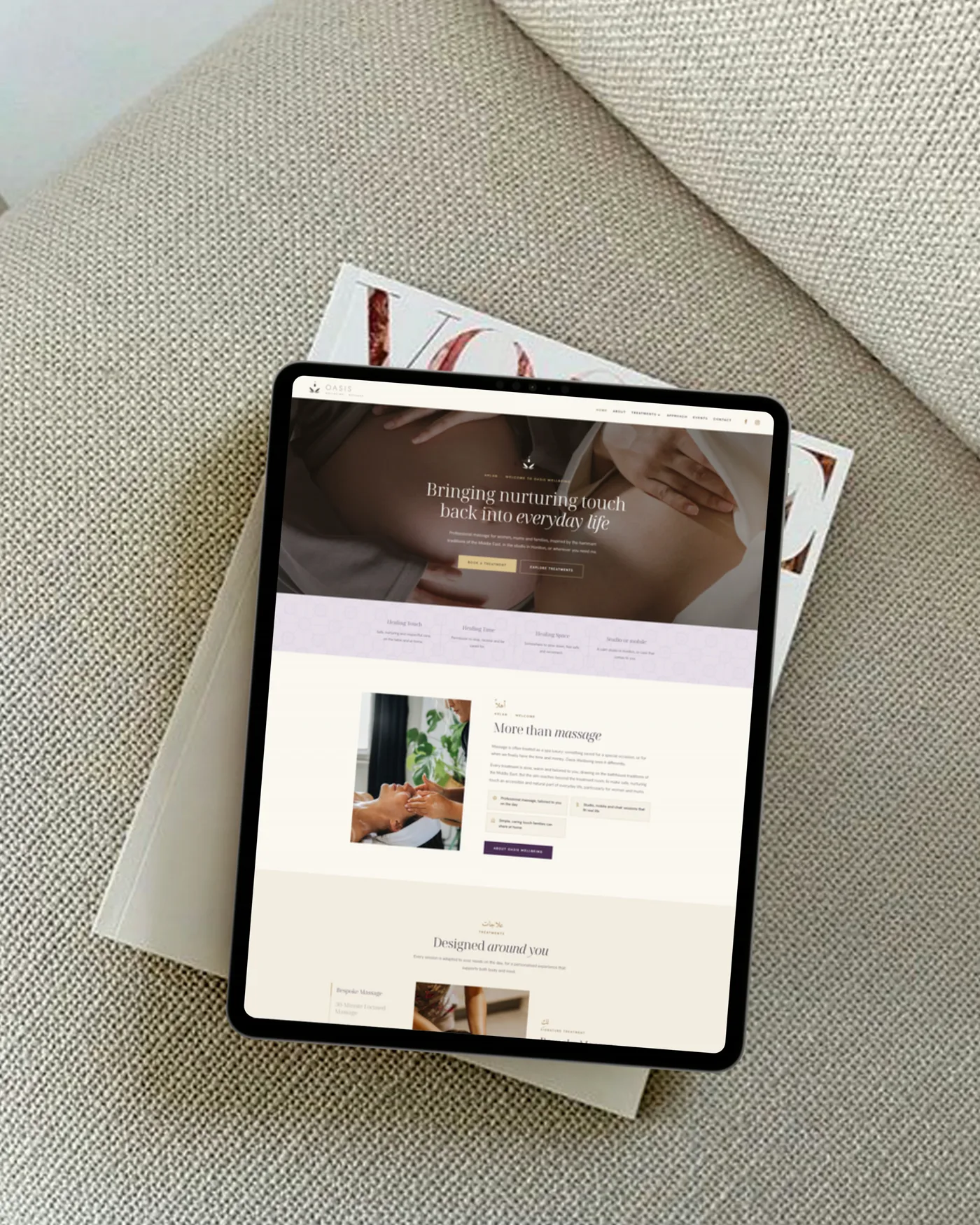
Your website should feel a bit like walking into your room. Calm, clear, nothing shouting at you. Calm doesn’t mean vague, though. People still need practical answers before they’ll book.
- A timetable or availability that’s easy to find. For yoga and Pilates studios, the timetable is usually one of the most visited pages, so put it in the main menu.
- A page for each class type or treatment. What it is, who it suits, what to expect, how long it takes and how much it costs.
- A “your first visit” page. What to wear, whether to bring a mat, where to park, what happens when they arrive. This one page takes away so much nervousness.
- Booking within a couple of taps from any page. Especially on a phone.
- Real photos of you and your space. Not stock images of a stranger meditating on a beach.
Show up when people search locally
Most wellness clients look close to home. They type “yoga classes in Bath”, “massage near me” or “reiki Chester” into Google, and the businesses showing in the map results get the calls.
- Complete your Google Business Profile properly. The most accurate primary category, your services, hours, photos of the room and a link to your booking page. My Google Business Profile guide walks through it step by step.
- Use your town on your website. “Pilates classes in Didsbury” in your page title and main heading helps Google match you to local searches.
- Give each main service its own page. One long “services” page rarely shows up for “pregnancy massage in [your town]”.
- Get listed where it counts. Your professional body’s directory, and if you’re a complementary therapist, consider a register accredited by the Professional Standards Authority, such as the CNHC, which is also a trust signal on your website. Claim your listings on Apple Business (which runs Apple Maps listings) and Bing Places too.
There’s more on this in my guide to getting found on Google locally.
Make the first step feel small
The biggest thing standing between a new client and your door is usually nerves. Will I be the only beginner? Do I have to take my clothes off? What if I can’t do the poses? A good intro offer takes some of that pressure off.
- A new student pass. Say, two weeks of unlimited classes for a set price, so people have time to settle in and find the class they love.
- A beginners’ course. Four or six weeks with others at the same level. People find it much easier to start alongside other newcomers, and a course gives you a natural moment to offer a class pack at the end.
- A shorter first treatment. A taster massage or a consultation with a short treatment, priced to make trying you easy.
Keep it simple, and make it something you’re happy to keep running. You’re not giving your work away, you’re making the first yes easier to say. Plan what happens next, too: a personal message after the first visit and a clear next offer before the pass runs out is where most of the conversions happen.
How to promote yoga classes and treatments in your community
Wellness is local and it runs on word of mouth, so your community is one of your best marketing channels. A few places I’d look:
- Independent local businesses. Cafés, health food shops, hairdressers and gyms. Swap flyers, or run a joint evening together.
- GPs, physios, osteopaths and midwives, where it fits. If you teach pregnancy yoga or offer sports massage, introduce yourself to people who might refer. Be clear about what you do and what you don’t.
- Local workplaces. Lunchtime yoga or chair massage for offices often leads to repeat bookings, and some of those people end up in your own classes.
- Retreats and day retreats. Team up with a venue or another practitioner and share the audience.
- Groups that already meet. Running clubs, new mum groups, local sports teams.
One good referral relationship can bring in more clients than months of posting. It just takes a bit of courage to send the first email.
Teach, don’t just promote
The quickest way to build trust before someone has met you is to help them for free. Content that teaches shows people how you work and what you know, without you having to sell anything.
- A 60-second breathing exercise for before bed.
- Three stretches for people who sit at a desk all day.
- What actually happens in a reflexology session.
- How to tell whether you need a sports massage or just a rest day.
Short videos like these work well on Instagram and TikTok, and the same idea can become a blog post or part of your newsletter. One idea, three places.
Instagram that shows the room and the teacher
People want to see where they’re going and who they’ll be with. Show the room being set up before class, the mats laid out, the candles lit, the treatment couch ready. Talk to the camera now and then so people can hear your voice before they meet you. Only show students or clients if they’ve agreed, ideally in writing, and let them change their mind later.
You don’t need a perfect grid. You need people to feel they already know a bit about you by the time they book.
Build an email list from day one
Instagram reach goes up and down for reasons nobody can fully explain. Your email list is yours, and the people on it have already put their hand up. Treat it as a proper sales channel, not an occasional newsletter.
- Collect addresses the right way. Existing clients can usually be emailed about similar services under the PECR “soft opt-in”, as long as you offered an opt-out when you took their details and in every email. For everyone else, such as website visitors, use a clear, unticked consent box.
- Automate the important moments. A short welcome series for new subscribers, a message after someone’s first class or treatment, and a gentle note when a regular hasn’t been for a while. Set these up once and they work every week.
- Send regularly. A fortnightly email is a good rhythm for most studios and therapists once you’ve got going. Mix useful content (a seasonal tip, a stretch, timetable news) with clear offers like workshops, new courses and spare appointments.
- Give subscribers first dibs. Early booking for workshops and retreats makes being on the list feel worth it.
- Segment where it’s easy. Yoga students and massage clients want different emails. Even two lists is better than one.
Measure it by bookings, not opens. My guide to email marketing for salons goes into sequences, timing and deliverability, and almost all of it applies to wellness too.
Events, workshops and partnerships
Workshops are brilliant for wellness businesses. A two-hour Saturday session, like yin yoga with a sound bath, an introduction to meditation or a couples’ massage class, brings in people who wouldn’t commit to a weekly class yet. It also gives your regulars something easy to invite a friend to.
Partnering with someone whose work sits alongside yours doubles the reach. A yoga teacher and a nutritionist, a massage therapist and a personal trainer, a reiki practitioner and a sound healer. You each bring your own audience, and both of you look good for the introduction.
Reviews and word of mouth
For a business built on trust, reviews do a lot of the heavy lifting. Someone nervous about their first class will read what others said before they book.
Build the ask into your routine so everyone gets it at the same point, for example after a client’s third class or in the follow-up message after a treatment. Make it easy with a direct link. I’ve written up how to get more Google reviews without it feeling awkward. Don’t offer discounts or freebies in exchange for reviews, and don’t only ask the people you know loved it: Google’s rules don’t allow either. Fake reviews and undisclosed incentivised reviews are also banned under UK consumer law since April 2025, as the CMA’s guidance explains.
Be careful with health claims
This one matters a lot in wellness. Under the CAP Code, which the Advertising Standards Authority (ASA) enforces, any claim that your therapy treats, helps with or cures a medical condition needs solid evidence. If you’re not a suitably qualified health professional, you also shouldn’t refer to serious conditions at all, because that risks discouraging people from getting proper medical treatment (rule 12.2). That covers your website, your social posts and your flyers, not just paid ads.
- Avoid: “Reflexology cures migraines” or “yoga treats anxiety”.
- Safer: “A slow, gentle class to help you unwind at the end of the week” or “an hour of quiet, calm time just for you”. Describe the experience, not a health outcome.
- Watch your testimonials. If a review you share makes a medical claim, the ASA treats it as your claim.
The ASA’s Advice Online library has entries for lots of specific therapies, and it’s worth reading the one for yours before you write your treatment pages.
Keep the clients you’ve got
It’s much easier to keep a happy client than to find a new one, and a wellness business works best when people come regularly anyway.
- Class packs. A ten-class pass gives people a reason to come back and a small saving for committing.
- Memberships. Monthly unlimited, or a set number of classes or treatments a month, smooths out your income too. Show the full cost clearly (for a fixed-term membership, the total as well as the monthly price, as the CMA’s price transparency guidance sets out), make cancelling easy, and be aware that new subscription rules under the DMCC Act are due to start in 2027.
- Book the next appointment before they leave. For massage and holistic therapies, this one habit makes a huge difference.
- Notice when someone stops coming. A kind “we’ve missed you” message, with no pressure, brings more people back than you’d think.
Measure what’s working in your wellness business marketing
You don’t need fancy dashboards. You need to know where your clients actually come from, and which of them stay.
- Ask every new client how they found you. Add the question to your booking form and keep a simple tally.
- Check your Google Business Profile performance. Calls, website clicks and direction requests show how much your local listing is doing.
- Look at your website analytics once a month. Which pages people visit, where they came from, and how many reach your booking page.
- Track your intro offer. How many people who tried it are still coming a couple of months later, and how many moved onto a pack or membership.
After three months, do more of what’s working and quietly drop what isn’t. If you’d like help putting a plan together for your own business, get in touch and tell me a bit about what you do.
Questions I get asked
How do I get clients as a holistic therapist in the UK?
Start local. Get your Google Business Profile complete, build a simple website with a page for each therapy, and introduce yourself to complementary businesses nearby. Workshops and taster sessions help people try you without a big commitment, and reviews from those first clients will help the next ones trust you.
How can I promote my yoga classes locally?
Put your town in your website titles and headings, keep your timetable easy to find, and make sure your Google profile is fully filled in. Offer a new student pass or beginners’ course with a clear next step at the end, leave flyers with local independents, and look at workplaces and community groups that might want a class of their own.
How do I market myself as a massage therapist?
Pick a focus, such as sports, pregnancy or relaxation massage, and make it obvious on your website and socials. Then build referral relationships with people who see your ideal clients, like personal trainers, running clubs or midwives. Rebooking clients before they leave will keep your diary steady while you grow.
Is Instagram worth it for a wellness business?
Yes, as long as it isn’t your only channel. It’s great for showing your space and personality, which matters a lot when people are nervous about booking. Pair it with a good website, local search and an email list with a few automated messages so you’re not relying on one app.
Can I say my therapy helps with anxiety or pain?
Be very careful. The ASA doesn’t accept claims that a therapy treats or helps with medical conditions unless there’s solid evidence, and that includes anxiety and chronic pain. If you aren’t a qualified health professional, avoid referring to serious conditions altogether. Describe the experience instead, such as relaxing or calming, and check the ASA’s advice for your specific therapy.

Written by Jade
Founder of Design With Bloom. Designing elevated websites for beauty and wellness brands, with 10 years in marketing behind every detail.
Keep reading
More from the Bloom Hub
Grow at your own pace
A calm home for your practice
Clients who find you online deserve a website that feels as calm as your room. Start with a wellness template, or talk to me about something built just for you.